

Complete Dental Implants Solutions for Missing Teeth


Have you ever avoided smiling in photos because of a gap in your teeth? Do you find yourself struggling to chew your favourite foods properly? Perhaps you've noticed your face changing shape over time, and you're not sure why?
Missing teeth affect far more than just your appearance. They can impact your confidence, your ability to eat comfortably, and even your overall oral health. When a tooth goes missing, the surrounding teeth can shift, your jawbone can deteriorate, and your bite can become misaligned. It's a chain reaction that many people don't realise until problems start piling up.
The good news? Modern dentistry offers brilliant options to restore your smile completely. In this guide, we'll explore everything you need to know about dental implants—from how they work and what types are available, to costs, procedures, and aftercare. Whether you're missing a single tooth or need a full mouth restoration, you'll discover why dental implants have become the gold standard for tooth replacement in Australia.
What Are Dental Implants and How Do They Work?
The Anatomy of a Dental Implant
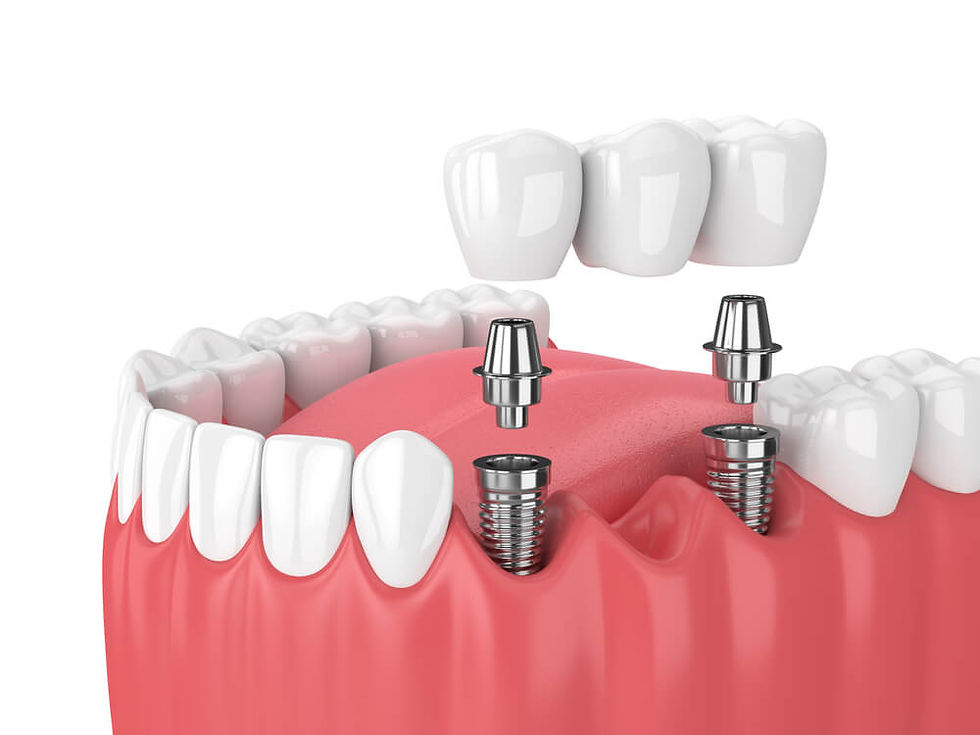
A dental implant is essentially an artificial tooth root made from titanium. Think of it as a small screw that sits securely in your jawbone, providing a stable foundation for a replacement tooth. The complete implant system consists of three main parts: the implant post (the titanium screw), the abutment (a connector piece), and the crown (the visible tooth portion).
The titanium material is key here. It's biocompatible, meaning your body accepts it without rejection. This remarkable metal has been used in medical procedures for decades, proving its safety and reliability time and again.
What a Dental Implants Fuse with Your Jawbone
Here's where the magic happens. Through a process called osseointegration, the titanium implant actually fuses with your natural bone tissue. Over several months, your jawbone grows around and bonds with the implant surface, creating an incredibly strong anchor.
This fusion is what makes implants so stable and long-lasting. Unlike dentures that sit on top of your gums, implants become part of your body. They function just like natural tooth roots, stimulating your jawbone and preventing the bone loss that typically occurs after tooth extraction.
Are Dental Implants the Best Solution for Missing Teeth?
Dental Implants vs Dentures: Which Is Right for You?
Dentures have helped countless people over the years, but they come with limitations. They can slip, click, and require adhesives. Many wearers report difficulty eating certain foods and speaking clearly. Plus, dentures don't prevent jawbone deterioration.
Implants, on the other hand, stay firmly in place. You brush and floss them like natural teeth. There's no removing them at night or worrying about embarrassing slippage during conversations.
Dental Implants vs Bridges: A Comparison
Traditional bridges require grinding down healthy adjacent teeth to support the replacement tooth. This compromises teeth that might otherwise remain perfectly healthy for years. Bridges also don't address bone loss underneath the missing tooth.
Dental implants stand independently without affecting neighbouring teeth. They preserve your jawbone and don't put extra stress on surrounding teeth. For many patients, this makes them the superior choice.
Who Is a Good Candidate for Dental Implants?
Most adults with good general health can receive dental implants. You'll need adequate jawbone density to support the implant, healthy gums, and commitment to proper oral hygiene. Non-smokers typically experience better outcomes, though smokers aren't automatically excluded.
Certain conditions like uncontrolled diabetes or immune disorders may require special consideration. Your dentist will assess your individual situation during the initial consultation.
Types of Dental Implant Solutions Available
Single Tooth Implants
Lost just one tooth? A single implant provides the most natural-looking and functional replacement. One implant supports one crown, perfectly matching your surrounding teeth in colour and shape.
Multiple Teeth Implants
When several adjacent teeth are missing, implant-supported bridges offer an excellent solution. Rather than placing an implant for each missing tooth, strategically positioned implants can support a bridge spanning the gap.
Full Mouth Dental Implants
For those missing all or most teeth, full mouth reconstruction is possible. This involves placing multiple implants throughout the jaw to support a complete set of replacement teeth.
All-on-4 Dental Implants: A Complete Smile in One Day
The All-on-4 technique has revolutionised full mouth restoration. Using just four strategically angled implants per jaw, dentists can attach a complete arch of teeth—often in a single appointment. This approach minimises surgery, reduces costs, and provides immediate results for suitable candidates.
How Much Do Dental Implants Cost in Australia?
Factors That Affect Dental Implant Pricing
In Australia, a single dental implant typically ranges from $3,000 to $6,500, depending on various factors. The complexity of your case, whether bone grafting is needed, the type of crown material chosen, and your provider's location all influence the final price.
Full mouth restorations naturally cost more, with All-on-4 procedures ranging from $20,000 to $35,000 per arch. It's worth getting quotes from multiple providers while considering their experience and track record.
Are Dental Implants Worth the Investment?
When you consider that quality implants can last a lifetime with proper care, the investment makes sense. Dentures and bridges typically need replacing every 5-15 years. Over decades, implants often prove more economical—not to mention more comfortable and functional.
Payment Plans and Financing Options
Many Australian dental practices offer payment plans to make implants more accessible. Options include interest-free periods, extended payment terms, and medical financing through providers like Zip or Afterpay. Some private health insurance policies also contribute towards implant costs, so check your coverage.
What Is the Dental Implant Procedure Like?
Initial Consultation and Treatment Planning
Your journey begins with a thorough examination. This includes X-rays, 3D scans, and assessment of your overall oral health. Your dentist will discuss your goals, explain your options, and create a personalised treatment plan.
The Surgical Process: What to Expect
The implant placement surgery is typically performed under local anaesthesia. Your dentist makes a small incision in the gum, creates a space in the jawbone, and carefully positions the implant. The procedure usually takes 1-2 hours per implant.
Most patients report the experience is far less uncomfortable than expected. Many compare it to having a tooth extracted—manageable with proper pain relief.
Recovery Time and Aftercare
Initial healing takes about 1-2 weeks, during which you'll stick to soft foods and gentle oral hygiene. The osseointegration process requires 3-6 months before your permanent crown can be attached.
During recovery, follow your dentist's instructions carefully. Avoid smoking, eat nutritious foods, and attend all follow-up appointments.
How Long Do Dental Implants Last?
Caring for Your Dental Implants
With proper care, dental implants can last a lifetime. The crown portion may need replacing after 10-15 years due to normal wear, but the implant itself remains permanently fused to your jawbone.
Maintain your implants by brushing twice daily, flossing regularly, and attending routine dental check-ups. Avoid chewing extremely hard objects like ice or hard sweets.
Signs Your Implant May Need Attention
Watch for warning signs including pain, swelling, mobility, or bleeding around the implant site. If you notice anything unusual, contact your dentist promptly. Early intervention prevents minor issues from becoming major problems.
Do Dental Implants Hurt?
Pain Management During and After Surgery
Here's what most patients want to know: the procedure itself is virtually painless thanks to anaesthesia. Afterwards, you can expect some discomfort, swelling, and bruising—similar to any oral surgery.
Over-the-counter pain relief typically manages post-operative discomfort effectively. Most people return to normal activities within a few days, though everyone heals differently.
Can You Get Dental Implants If You Have Bone Loss?
Bone Grafting Solutions
Bone loss doesn't necessarily disqualify you from receiving implants. Bone grafting procedures can rebuild your jawbone, creating sufficient structure to support implants. While this adds time and cost to your treatment, it opens doors for many patients who previously thought implants weren't possible.
Choosing the Right Dental Implant Provider
Selecting your implant provider deserves careful consideration. Look for dentists with extensive implant experience, proper qualifications, and positive patient reviews. Don't hesitate to ask about their success rates and request before-and-after photos of previous cases.
A quality provider takes time to explain your options, answers your questions thoroughly, and never pressures you into decisions.
Reclaim Your Confidence with Dental Implants
Missing teeth don't have to hold you back any longer. Dental implants offer a permanent, natural-looking solution that restores both function and confidence. From single tooth replacements to full mouth restorations, there's an implant option suited to virtually every situation.
We've covered the essentials—how implants work, the different types available, costs, procedures, and what to expect during recovery. Armed with this knowledge, you're better prepared to have meaningful conversations with dental professionals about your specific needs.
Your smile matters. It affects how you eat, speak, and present yourself to the world. If you're tired of hiding gaps or struggling with uncomfortable dentures, dental implants could transform your daily life. Book a consultation with a qualified implant dentist today and take that first step towards the confident smile you deserve.


Comments